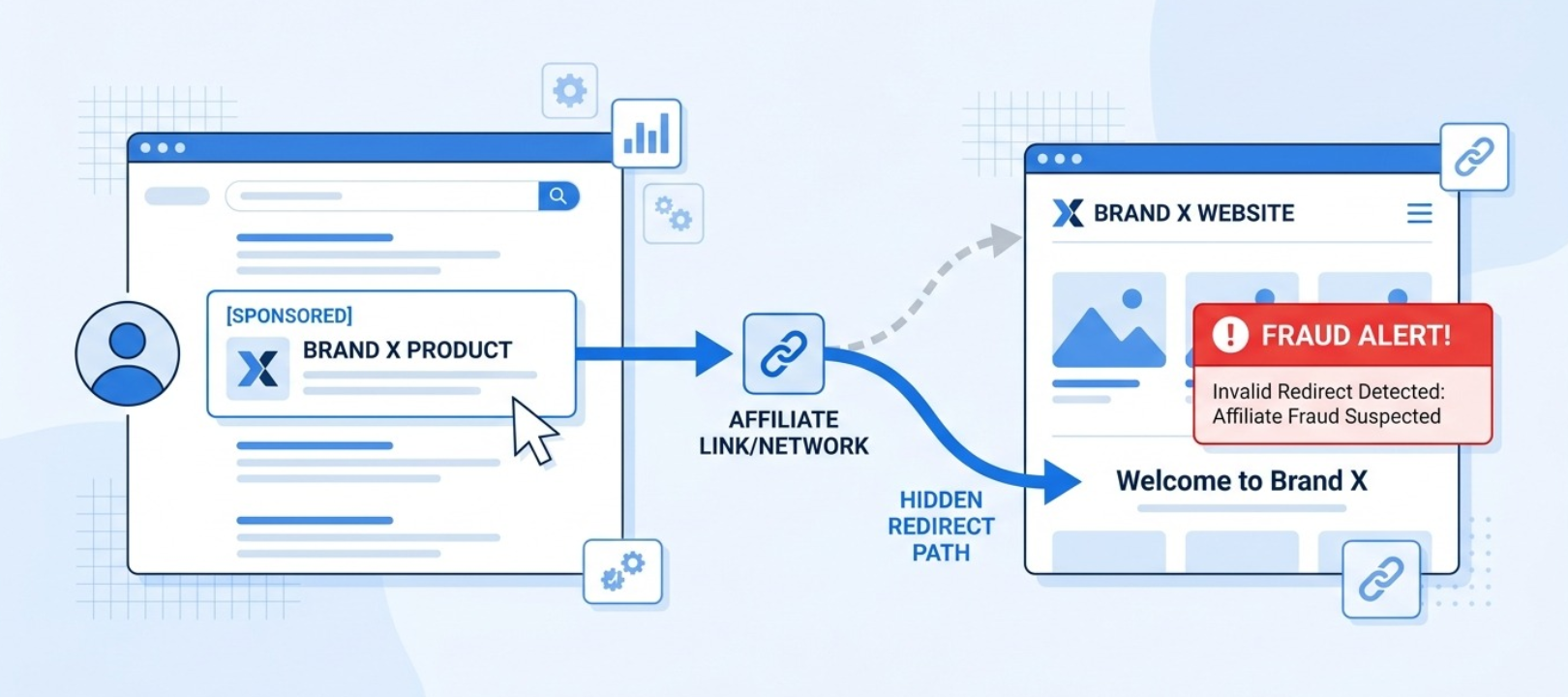
Trademark bidding has become a growing concern in the affiliate marketing industry and paid search advertising. Brands usually invest regularly in building trust and recognition. Competitors and sometimes even affiliate parties use the brand name, slogan, or logo to capture real traffic and commissions. This ongoing approach can significantly distort the overall ad performance, increase costs, and damage brand trust within affiliate programs. This guide by PPCTrace will help you in understanding how trademark bidding works and how it can affect your brand affiliate program is essential for maintaining proper control over your paid traffic marketing strategy.
Quick Answer: Trademark bidding is a well-known PPC strategy where all advertisers target brand name, logo, tagline, etc. of other brands to appear in search engine results.
What is Trademark Bidding?
Trademark bidding refers to the real practice of placing paid search ads on branded keywords that include a brand’s registered trademark or brand name, logo, slogan, or tagline. It usually happens when advertisers bid on these terms that legally belong to another company or source.
Here’s how it works:
- A user searches for a particular brand name (e.g., “Nike shoes”).
- Competing advertisers or affiliates bid on that ranking brand name.
- Their ads appear above or alongside the official brand results in the SERP.
- The user may click on a third-party ad instead of the brand’s official page.
How Does Trademark Bidding Affect Your Affiliate Programs?
Trademark bidding can significantly harm the complete performance and structure of affiliate programs. It not only increases the advertising pressure but also disrupts fair competition among big brands.
Let’s take a look at the major impact of trademark bidding which include:
Higher Advertising Costs:
Trademark bidding enforces brands to bid on their own name, raising competition and increasing CPC rates, which gradually makes paid search advertising more expensive and less cost-effective.
Loss of Direct Traffic:
Users often click on affiliate third-party ads instead of official brand listings, leading to reduced direct website visits and weakening the brand’s organic traffic performance over time.
Reduced ROI and ROAS:
Paid campaigns become less efficient as costs rise and conversions get misattributed, making it harder to measure accurate returns on ad spend and overall campaign performance.
Unfair Affiliate Competition:
Some affiliates try to misuse trademark keywords to gain proper advantage, while some compliant partners easily get less visibility and reduced conversions, creating a big imbalance within the affiliate marketing ecosystem.
Brand Reputation Risks:
All Users may directly visit misleading or irrelevant third-party pages which can create confusion and reduce trust in checking the brand’s official advertisements.
Attribution Challenges:
It usually becomes difficult to track the right source of traffic, leading to misunderstanding in reporting and disputes over proper commission allocation among various affiliates.
Trademark Infringement and Affiliate Violations
Trademark bidding can cross legal boundaries when it involves unauthorized use of protected brand names. This is where the role of trademark infringement comes into importance.
Trademark infringement occurs when a party uses a registered trademark without permission of the brand in a way that causes confusion or financial harm for a brand integrity and reputation.
Affiliate trademark violations include:
- Using brand names in ad copy without approval.
- Bidding on restricted trademark keywords.
- Misleading users into believing ads are official.
- Creating landing pages that imitate the brand.
Risks involved:
- Account suspension on ad platforms.
- Loss of affiliate partnerships.
- Legal action from trademark owners.
- Permanent bans from affiliate programs.
What is the Difference Between Trademark Bidding and Brand Bidding?
Brand bidding is when a company or its approved partners bid on their own brand keyword to stay visible in search results. It is a controlled and legitimate marketing strategy.
Trademark bidding, on the other hand, happens when other competitors or unauthorized affiliates usually bid on a brand’s name, logo or slogan without taking permission. It is considered as an unethical activity and also violates platform policies.
Here’s a complete overview of differences between trademark bidding and brand bidding:
- Who runs the ads: Brand bidding is done by the brand itself or its approved partners, while trademark bidding is done by competitors or unauthorized affiliates.
- Keyword usage: Brand bidding uses the brand’s own name in advertisement, whereas trademark bidding uses the same trademarked things without permission from a different brand.
- Intent: Brand bidding directly aims to protect brand visibility and control search presence among other competitors, while trademark bidding usually aims to capture or divert brand traffic to third party sites.
- Legitimacy: Brand bidding is known as a legitimate and controlled marketing practice. However, trademark bidding is specifically restricted or considered against policy.
- User impact: Brand bidding guides users to check all official pages, whereas trademark bidding easily confuses all target users or leads them to trust third-party sites.
How to Detect and Prevent Trademark Abuse in PPC
You can rely on the best detection tools such as PPCTrace to prevent trademark abuse in PPC. We keep a regular check on all branded keyword advertisements, finding effective tracking tools, reviewing complete affiliate activity and implementing secure policies against illegal trademark bidding.
Here are few trademark abuse detection methods in PPC:
- Track branded keyword performance regularly.
- Monitor every affiliate traffic sources.
- Use PPC auditing tools to analyze ad copies.
- Identify sudden spikes in branded keyword CPC.
|
Prevention Strategy |
Key Actions |
|
Set Clear Affiliate Rules |
Define restricted keywords and clearly ban trademark bidding in affiliate agreements |
|
Monitor Campaign Activity |
Regularly review affiliate ads and ensure landing pages follow compliance rules |
|
Use Monitoring Tools |
Implement trademark tracking systems to detect unauthorized PPC ads in real time |
|
Mandatory Compliance Checks |
Plan to regularly conduct monthly audits of affiliate behavior and remove all non-compliant partners |
|
Enforce Penalties |
Issue warnings or terminate violators to protect long-term brand integrity |
Conclusion
Trademark bidding is considered as a serious threat in affiliate marketing that directly affects the brand visibility, advertising costs, and overall program performance. Some types of brand bidding is illegal whereas unauthorized trademark bidding leads to confusion, unfair competition, and potential legal issues. Brands can generally protect their affiliate programs ensuring reliable and transparent marketing strategies by understanding the ins and outs of implementing strong monitoring and compliance practices. Checkout PPCTrace for trademark pootection solutions and stay safe from affiliate fraud.